“Essex coffee” search results (175)
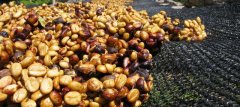
Ethiopian Harar Boutique Coffee
Specialty coffee is also known as specialty coffee. It refers to coffee made from green beans with excellent taste characteristics grown in a few extremely ideal geographical environments. Depending on the particular soil and climatic conditions in which they are grown, they have outstanding flavors. This type of coffee is carefully selected and graded for its hard texture, rich taste and wind.
2016-05-31 Ethiopia Harar Lal boutique coffee speci
Ethiopian Coffee Flavor description introduction of High-quality Coffee varieties in producing areas
Ethiopia is the birthplace of the famous Arabica coffee beans, and people have always maintained the tradition of harvesting wild coffee beans. The coffee garden at an altitude of more than 1500 meters has formed a unique coffee style after thousands of years of evolution and adaptation. Ethiopian coffee grown in the natural wild environment is called wilderness coffee, which retains the most primitive and natural taste of coffee beans.
2016-09-19 Ethiopia coffee flavor description producing area characteristics variety boutique introduction
Boutique Coffee introduces Ethiopian Coffee Yega Sheffield Coffee Sidamo Coffee Harald Coffee
Ethiopia is the hometown of Arabica coffee, and it is in the forests of Kaffa that you can see wild Arabica coffee. In Ethiopian, coffee is called Bun or Buna, and coffee beans (coffeebean) may be translated from Kaffa Bun. Arabica coffee was discovered early in the Harald area, probably from Kafa.
2016-03-25 Boutique coffee introduction Ethiopia Yega Sheffield Cedar Harald Rahl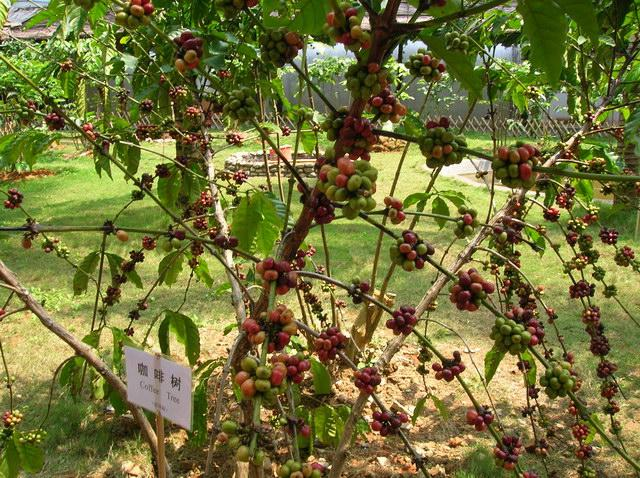
Introduction to Nekisse Coffee Bean (Origin: Sidama)
Nekisse is Ninety Plus's third 90+-compliant bean found in 2010 after Aricha Beloya. It also received the highest score of 96 points in the Coffee Review for the year (the following information is mostly taken from the Ninety Plus website). Nekis Nekisse is the third match Ninety Plus found in 2010 after Aricha Beloya.
2015-12-07 Boutique Coffee beans Nekisse Appellation Sidama Introduction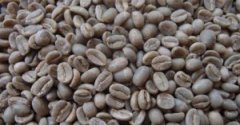
Brief introduction of Ethiopian Coffee the hometown of Arabica Coffee
Lim G2 Ethiopia is the hometown of Arabica coffee, and you can see wild Arabica coffee in the forests of the Kaffa region. In Ethiopian, coffee is called Bun or Buna, and coffee beans (coffee bean) may be translated from Kaffa Bun. Arabica coffee has long been found in the Harald area, which is very accessible.
2015-10-12 Ethiopia coffee profile rabbi hometown
Coffee processed by sun and water washing, and processed by different processing methods.
Ethiopia is the hometown of Arabica coffee, and it is in the forests of Kaffa that you can see wild Arabica coffee. In Ethiopian, coffee is called Bun or Buna, and coffee beans (coffeebean) may be translated from Kaffa Bun. Arabica coffee was discovered early in the Harald area, most likely
2016-05-07 Ethiopia coffee sun washing two processing different methods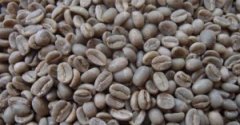
A brief introduction to boutique coffee beans and Ethiopian coffee
Lim G2 Ethiopia is the hometown of Arabica coffee, and you can see wild Arabica coffee in the forests of the Kaffa region. In Ethiopian, coffee is called Bun or Buna, and coffee beans (coffee bean) may be translated from Kaffa Bun. Arabica coffee has long been found in the Harald area, which is very accessible.
2014-11-19 Coffee knowledge fine coffee beans Ethiopian coffee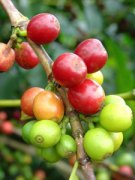
Introduction to Ethiopian Coffee
Ethiopia is one of the major producers of Arabica coffee in Africa, producing the best Arabian coffee in the world. It is said that coffee was first discovered by shepherds in Essekafa, and the name of coffee evolved from Kafa, so Essex is still the hometown of coffee. The geographical environment of coffee production and processing is very suitable for coffee growth. Coffee is mainly cultivated.
2016-05-18 Ethiopia coffee introduction Africa Arabia main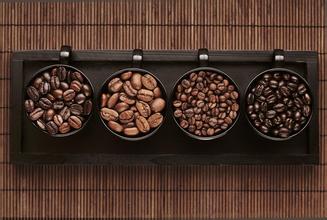
Sidamo coffee beans wash Sidamo boutique coffee beans Ethiopian plateau and other places
Ethiopia is the hometown of Arabica coffee, and it is in the forests of Kaffa that you can see wild Arabica coffee. In Ethiopian, coffee is called Bun or Buna, and coffee beans (coffeebean) may be translated from Kaffa Bun. Arabica coffee was discovered early in the Harar area and is likely to come.
2016-05-22 Xida coffee beans water washing boutique Ethiopia plateau etc.
Introduction to the flavor description characteristics of Ethiopian coffee varieties with balanced flavor
Ethiopia is the hometown of Arabica coffee, and it is in the forests of Kaffa that you can see wild Arabica coffee. In Ethiopian, coffee is called Bun or Buna, and coffee beans (coffeebean) may be translated from Kaffa Bun. Arabica coffee was discovered early in the Harar area and is likely to come.
2016-09-24 Flavor balance Ethiopia coffee variety producing area description characteristics introduction
The Development of Ethiopian Coffee beans in the course of Coffee Harald Coffee
Harar Harald, a name that reflects the rise and fall of Ethiopia. The Montenegro region of Harald is by far the only place in the world with wild coffee, which is auctioned in London every year. The secret of producing high-quality coffee is that coffee farmers have developed a coffee culture in a suitable environment through repeated learning of the coffee planting process for several generations.
2015-10-17 Serbia Biya Harald Rahl Coffee Ethiopia Coffee beans course hair
Stories of coffee bean producing areas in Africa and characteristics of coffee beans
Robusta beans are produced in most countries in Africa, but there are outstanding Arabica beans in the neighboring regions of Ethiopia in East Africa. East African coffee is very similar in nature, with spicy acidity and good mellow taste, is a distinct taste of coffee. Ethiopia is one of the major producers of African Arabica coffee and produces the best Arab in the world.
2016-04-20 Africa coffee beans producing areas characteristics
Introduction to the treatment methods of roasting degree and grinding degree of Ethiopian coffee flavor description varieties
Coffee is Ethiopia's most important export cash crop and the main source of Ethiopia's foreign exchange earnings. Ethiopia's coffee exports account for about 3% of the world market, making it the eighth largest coffee exporter in the world. Coffee exports increased steadily from 58000 tons in 1990 to 110000 tons in 1995-1996 and remained at this level in the following years. 2001-2002
2016-09-29 Ethiopia Coffee Flavor description Variety Baking degree Grinding treatment
Cedama Sidama production area boutique coffee beans Nekisse coffee beans
Nekisse is the third 90 + bean found by Ninety Plus after Aricha and Beloya in 2010. And got the highest score of 96 on Coffee Review for that year (the following materials are mostly taken from the website of Ninety Plus). Nekisse's raw bean smell is so special that when you open the bag, you will be shocked by its strong wine smell. As for the taste, maybe you need a
2015-07-10 Cedar Sidama production area boutique coffee beans Nekisse Ne
Taste Unique Ethiopian Yega Shefi Cochir Estate Coffee Flavor Description Taste Variety Introduction
In Ethiopia, people take pride in coffee and see it as a gift to the world. To this day, many Ethiopian families still maintain the ritual of daily coffee celebrations, with the hostess of each family inviting family and neighbors for coffee more than once a day. In their view, this is a way to show friendship and respect. Ethiopia is a magical land, filled with
2016-10-07 Taste Unique Ethiopian Yega Sheffield Cheer Manor Coffee Flavor
Introduction of Nekisse Coffee beans in Sidama producing area of Cedar
Nekisse is the third 90 + bean found by Ninety Plus after Aricha and Beloya in 2010. And got the highest score of 96 on Coffee Review for that year (the following materials are mostly taken from the website of Ninety Plus). Nekisse's raw bean smell is so special that when you open the bag, you will be shocked by its strong wine smell. As for the taste, maybe you need a
2015-10-24 Cedar Sidama producing area beans introduction Nekisse Coffee beans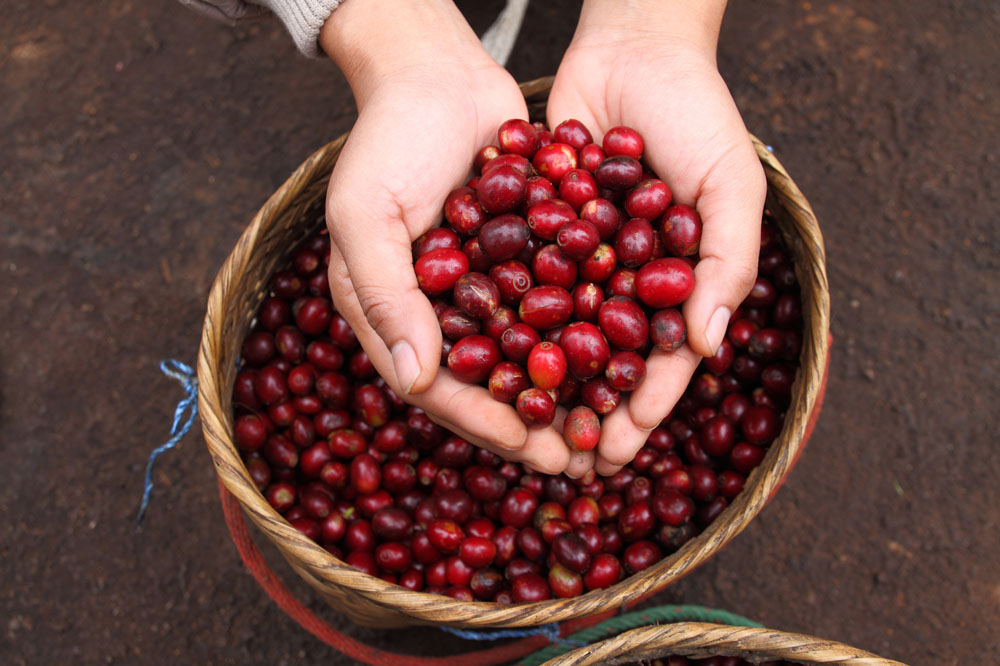
World Fine Coffee: introduction of Nekisse Coffee beans (producing area: Cedama Sidama)
Nekisse is the third 90 + bean found by Ninety Plus after Aricha and Beloya in 2010. And got the highest score of 96 on Coffee Review for that year (the following materials are mostly taken from the website of Ninety Plus). Nekis Nekisse is the third match found by Ninety Plus in 2010 after Aricha and Beloya.
2015-12-16 World boutique coffee Nekisse coffee beans producing areas Cedar Sid
Ethiopian Coffee Flavor description of unique quality; introduction to the processing methods for the characteristics of grinding degree of taste
This kind of coffee grows in areas ranging from 1500 to 2200 meters above sea level. This coffee is washed in a clear stream, carefully selected by hand and exposed to plenty of sunshine. The taste is unique; the fruit is medium-sized, comparable to Mocha. The taste is mellow, the charm is unique, it gives people a fresh feeling, and the market prospect is optimistic. It is estimated that this kind of coffee is average in 42000 hectares of cultivated area.
2016-09-30 Quality unique Ethiopian coffee flavor description grinding taste characteristics
Introduction to Fine Coffee in Ethiopian Coffee Variety producing area and Flavor Manor producing area
In February 1977, Lieutenant Colonel Mengistu Haier Maryam (MENGISTU HAILE MARIAM) launched a military coup and served as Chairman of the interim military Administrative Council and head of State. In 1979, the Ethiopian Labor people's Party Organization Committee, dominated by soldiers, was established to implement an one-party system. In 1984, the Ethiopian Workers' Party was formed according to the Soviet Communist Party model. Mengistu, September 1987
2016-09-22 Ethiopia coffee variety producing area flavor taste manor boutique introduction
Which processing method is better for coffee in Xidamo Shaqiso producing area?
Blind test in the Sidamo producing area of southern Ethiopia: Ethiopian coffee is mostly in the sun, but now it seems to have changed in recent years, and the boutique coffee movement has made people's mouths more and more picky. Less gossip, the aroma is obvious: according to Westerners, it is rose tea, but I think it is more like the taste of brown sugar and ginger soup, as well as the tonality of honey and oranges. Compare
2016-09-19 Dharma Shaquiso producing area Coffee what kind treatment way comparison delicious Essex